 Skip to content
You're probably here because something small started looking serious. A parent in The Woodlands missed a few bills, forgot medications, or handled money in a way that doesn't make sense anymore, and now the family is stuck asking the hard question, do we need guardianship, or are we rushing to the courthouse too fast? That's the right question. In Texas, guardianship is a court-supervised legal relationship that can remove some or all decision-making rights from the parent, called the ward, and transfer those rights to a guardian, which is exactly why courts treat it as a serious last-resort remedy rather than a routine family fix, as Texas guidance explains in its overview of guardianship (Texas Law Help on guardianship).
For families in The Woodlands and across Montgomery County, the issue usually isn't paperwork first. It's whether your parent still has enough legal capacity for a power of attorney, advance directive, or supported decision-making agreement to do the job without taking away more rights than necessary. Texas guidance tells families to ask why guardianship is needed and not to hesitate to change course if better options appear, and the court must consider whether a less restrictive alternative could work before appointing a guardian (Texas HHS guardianship guidance).
When Guardianship Becomes the Right Conversation
A Woodlands family usually doesn't arrive at guardianship because of one dramatic event. It's the pileup of smaller failures, unopened mail, missed prescription refills, a wire transfer that makes no sense, or a parent who still sounds fully in charge while the bills and decisions are falling apart. That is the point to pay attention.
Practical rule: If the problem is inconvenience, guardianship is too much. If the problem is safety, money, or medical decision-making that the parent cannot handle reliably, you need to look harder.
Texas law treats guardianship as a court-supervised legal relationship, not a private family arrangement, because it can remove some or all decision-making rights from the parent and hand them to another adult. The court can appoint a guardian of the person, a guardian of the estate, or both, depending on whether the parent needs help with personal care, medical choices, finances, or all of those areas (Texas Law Help on guardianship).
That distinction matters. A parent who can choose what to eat and where to live but cannot manage bills may need a different solution than a parent who cannot understand medical risks or protect themselves from scams. Texas law is built around tailoring the order to the actual problem, not handing over everything by reflex.
Courts in Texas also look for a less restrictive alternative before they appoint a guardian, and that is where families should start. A financial power of attorney, a medical power of attorney, a supported decision-making agreement, or a temporary arrangement that addresses one urgent problem may solve the issue without stripping away more rights than necessary. If you need a short-term option while the family sorts out a bigger plan, temporary guardianship help in Montgomery County may be the more practical question than a full guardianship filing.
The local mistake I see is families treating guardianship like the automatic answer because it sounds authoritative. It is the tool courts use when the parent cannot stay safe and the other options are not enough.
If your situation is still messy but not yet irreversible, that is exactly when you should slow down and get legal advice. This is not legal advice, and if you are dealing with a parent in The Woodlands or Montgomery County, a consultation can save you from filing the wrong case for the wrong problem.
Less Restrictive Options Worth Considering First
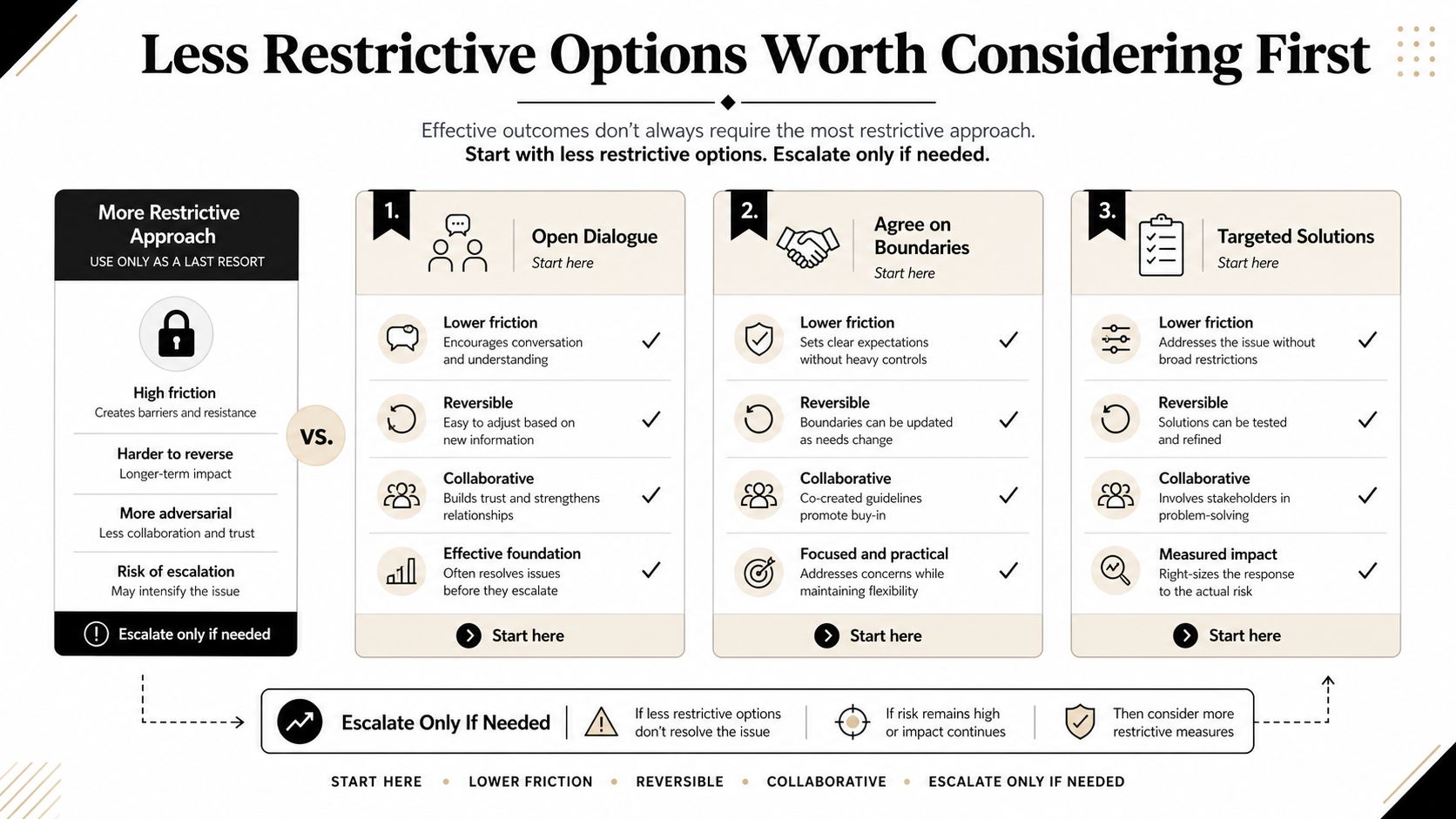
Guardianship is a serious move. Texas courts treat it that way, and families should too. Before asking a judge to remove rights, start with the narrower tools that may address the underlying issue.
Start with the documents that preserve autonomy
A financial power of attorney lets a trusted person handle banking, bills, and other money matters while the parent still has capacity to sign it. A medical power of attorney lets someone make healthcare decisions if the parent later cannot speak for themselves. An advance directive and the Texas out-of-hospital DNR cover medical wishes and end-of-life preferences, which helps doctors and family members avoid guesswork.
Those documents do not solve every problem. A power of attorney may be worthless if it was never signed while the parent still had capacity, or if a bank refuses to rely on a stale or unclear form. Advance directives do not manage financial trouble. When they are in place and still usable, they can keep a family out of guardianship court altogether.
Use support when the parent still participates
A supported decision-making agreement is a better fit when the parent can still make choices with help. Joint accounts with a trusted family member can address narrow cash-flow problems, though they also create risk if the account is too exposed. A representative payee arrangement for Social Security can keep benefits from being mismanaged without asking a court to take away broader rights.
That is the dividing line. If your parent still understands enough to choose help and use it, use the lesser tool. If the parent cannot reliably understand the consequences, is being exploited, or refuses every practical safeguard while their condition worsens, guardianship may be the only path left.
Families in Montgomery County often have more than one legal issue at once. The same household that is sorting out elder care may also be dealing with a separate support matter through a different office like Child Support Attorney in The Woodlands, which handles child support issues in Montgomery County. Different problem, different tool, same need for clear legal triage.
If a short-term fix might buy time, look hard at whether a temporary order would stabilize the situation without pushing straight into permanent guardianship. A local option to review is temporary guardianship counsel in Montgomery County, but only when the facts really call for it.
Do not let the word “guardianship” push you past the decision point. First ask whether the parent still has enough capacity for a narrower document to work.
If the answer is yes, use the lesser tool. If the answer is no, guardianship becomes the conversation.
Deciding Whether to File in Montgomery County
Start with the hard question, do you need to file at all? Families often rush straight to guardianship because the situation feels urgent, but the better move is to check whether the facts really justify taking away legal authority from an elderly parent. If a narrower tool can solve the problem, use it. If it cannot, then guardianship belongs on the table.
The county comes next. For a Texas guardianship of an elderly parent, the application generally has to be filed in the county where the proposed ward resides, which is why The Woodlands residents usually file in Montgomery County, not Harris County (The Woodlands TX Lawyers on guardianship venue).
The gatekeeping questions
Ask these in order:
Does the parent live in Montgomery County?
If yes, Montgomery County is usually the right place to start. If not, file where the law points, not where it is convenient.Is there recent medical evidence of incapacity?
Texas practice treats the physician's certificate of medical examination as a hard dependency, not a nice-to-have attachment. If the certificate is outside the permitted window, the filing can be rejected before anyone reaches the merits (Texas Law Help guardianship creation guide).Can the proposed ward be personally served?
Texas procedure requires personal service of the application on the proposed ward (Texas Law Help guardianship creation guide).Who counts as an interested person?
Texas practice requires notice to interested persons, so figure out who needs to be told before the hearing, not at the last minute (Texas Law Help guardianship creation guide).
Texas materials also make the other point plain. Incapacity is a legal finding, not a family conclusion. The court has to review the evidence and decide whether the parent can manage personal care, medical decisions, or finances, and whether a less restrictive alternative could work first (Texas HHS guardianship guidance).
If the medical exam is stale, the case is shaky before it starts.
That is why I tell families not to spend money on a filing package until they have the physician's certificate, a plan for service, and a clear sense of who will object. If those pieces are missing, the case is not ready.
For Montgomery County families, the smart move is usually a screening conversation before anything gets drafted. A local adult guardianship lawyer in The Woodlands can tell you whether the facts support filing or whether another tool makes more sense.
Filing the Application in Montgomery County Probate Court

A guardianship filing is not the first move. The first move is asking whether guardianship is the right tool for the parent in front of you. If the answer is yes, then the filing has to be done in the right order, in the right county, with the right proof. If the answer is no, you save the family time, money, and a court fight that never should have started.
The order that actually moves the case
File the application in the county where the proposed ward lives. For many Woodlands families, that means Montgomery County. The filing starts the case, but it does not do anything useful until the rest of the paperwork is ready.
Attach the current physician certificate of medical examination. Without current medical evidence, the court has nothing solid to review on incapacity or the need for a guardian.
Arrange personal service on the proposed ward. Mailing paperwork is not enough. Families lose weeks when they assume regular notice will satisfy the court.
Give notice to the interested persons. That part causes the most family friction because siblings, adult children, and other relatives often have different views about what should happen. Deal with that openly instead of pretending the disagreement will disappear.
Prepare for the appointment of an attorney ad litem. That lawyer does not work for the family's preferred outcome. The attorney ad litem is there to protect the proposed ward's interests, which often means testing whether guardianship is really necessary at all (The Woodlands TX Lawyers on guardianship).
Why local timing trips people up
The Montgomery County process is procedural from start to finish, and the court will not hand wave missing pieces. It needs the medical certificate, proof of service, and the notice trail before the judge can hear the case in a meaningful way. If one piece is missing, the hearing becomes a delay instead of a decision.
That is why families should treat the filing as a checklist, not a guess. A court filing on its own does not protect a parent from scams, missed bills, or bad medical decisions. The case only moves when the paperwork supports the legal theory.
If you want a plain-English look at how Montgomery County handles these filings, the local Montgomery County probate court process overview is the right place to start.
Costs, Timelines, and What Slows a Case Down
Before a family files for guardianship, it needs a hard look at cost. Texas probate practice puts filing fees in the lower hundreds, attorney fees often in the several-thousand range, and contested or document-heavy cases much higher. Add in court-appointed attorney ad litem fees and a medical or capacity evaluation, and the bill climbs quickly (Texas guardianship cost overview).
Those numbers are not abstract. They describe what a Woodlands family may spend before the guardian even starts handling ongoing court duties. Once you factor in annual reporting and possible bond renewals, guardianship becomes a real financial commitment, not just a filing fee.
What the calendar looks like
The medical certificate has a timing window, and the court cares about it. If the certificate is outside the allowed period, the filing can get rejected before the judge ever reaches the merits (Texas Law Help guardianship creation guide).
After appointment, the guardian has 20 days to sign the oath and post bond, and the letters of guardianship expire after 16 months unless renewed through the court-required reporting and bonding process (Texas Law Help on guardianship). Those deadlines control when the guardian can act and how long the authority lasts.
Bottom line: guardianship is not “file and forget.” It has built-in deadlines, and missing them causes real delays.
A case slows down for three reasons most often. The medical evidence is stale. Service on the proposed ward is incomplete or challenged. The family fights over whether a less restrictive alternative could have solved the problem. Each delay costs time and legal fees.
For budgeting, I tell people to think in layers. Start with the filing, then the lawyer, then the ad litem, then the medical exam. If the case is contested, the cost structure changes fast. That is why guardianship of elderly parent the Woodlands cases need a realistic budget before anyone signs a retainer.
| Typical Guardianship Costs in a Texas Case | Typical Range |
|---|---|
| Filing fees | $250 to $400 |
| Attorney fees | $3,000 to $5,000 |
| Complex attorney fees | $10,000 or more |
| Attorney ad litem fees | $1,000 to $2,500 |
| Medical or capacity evaluation | $500 to $2,000 |
What the Courtroom Day Looks Like
A contested hearing is where the case stops being paperwork and becomes a live dispute. One sibling wants guardianship because Mom is missing bills and forgetting medication. Another sibling says she is just tired, not incapacitated. That split is common, and the judge has seen it before.
The courtroom day usually includes the judge, the attorney ad litem, the examining physician or medical evidence, and any family members who want to object or support the application. The judge is not there to referee family history. The judge is there to decide whether the evidence proves incapacity and whether a less restrictive alternative could still work.
The family's job is to bring facts, not drama. Medical evidence matters. Specific examples matter. So do practical details about bills, medications, unsafe decisions, or exploitation. Vague complaints will not carry the day.

The attorney ad litem is there for the proposed ward, not the family. That lawyer can oppose the petition, ask hard questions, or recommend a limited form of guardianship instead of a full one. If the hearing gets heated, that does not mean the case is doomed. It means the judge has to sort through the competing stories and decide what best protects the parent.
The cleanest cases are the ones where the medical proof, the family testimony, and the requested authority all match. The messiest cases are the ones where someone asks for more power than the facts support. Judges notice that fast.
Post-Appointment Duties and Local Next Steps
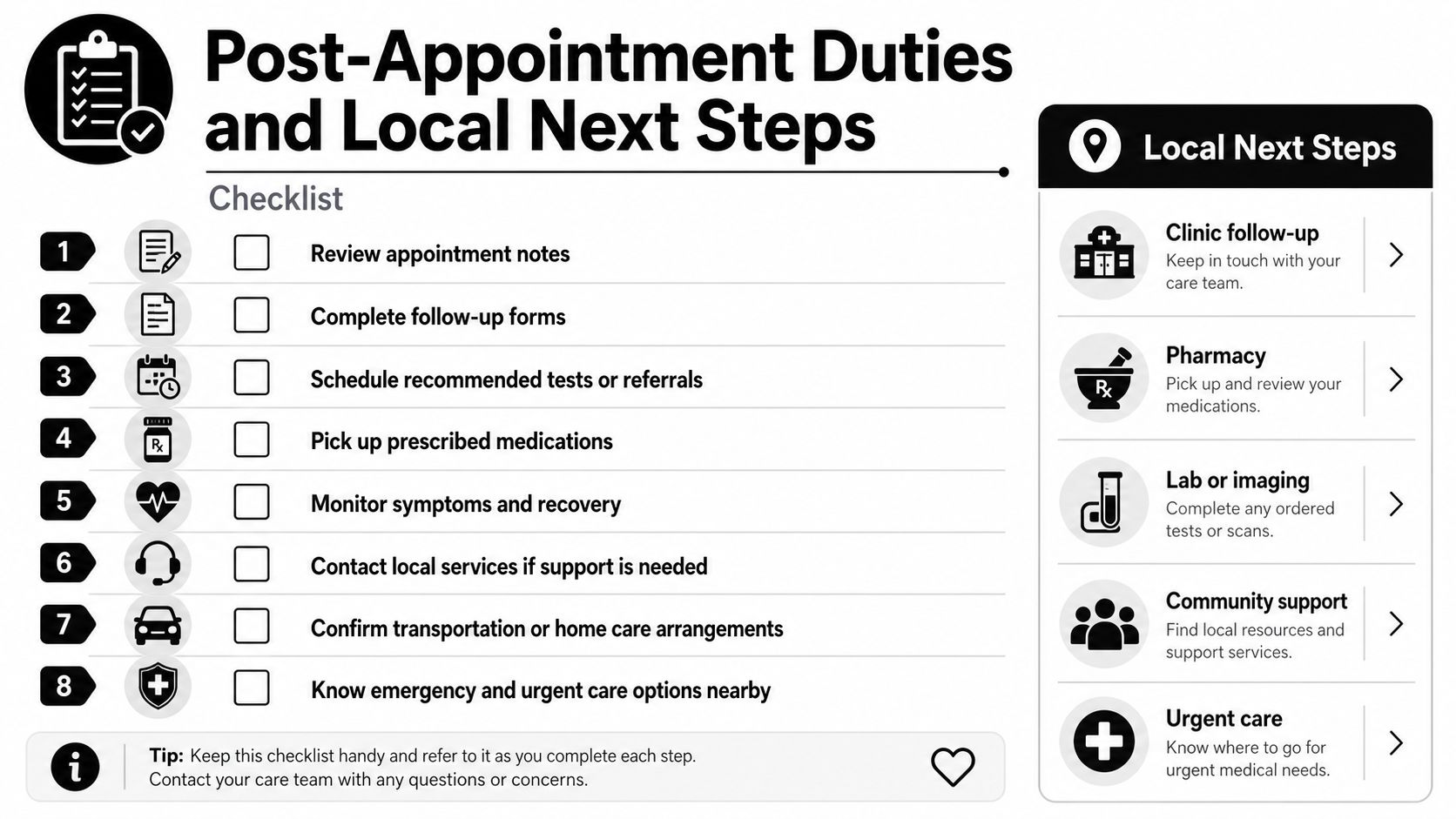
If the judge appoints a guardian, the work starts right away. The guardian must sign the oath and post the bond within 20 days. After that, the court issues the letters of guardianship, which are the practical proof of authority the guardian uses to act for the ward.
Those letters are not permanent. They expire after 16 months unless renewed through the required reporting and bonding process. Families miss that deadline more often than they admit, and once the paperwork lapses, the guardian's authority becomes a real problem.
What the guardian actually has to do
If appointed over the estate, the guardian has to keep records, track money, account for spending, and stay organized enough to satisfy the court. If appointed over the person, the guardian has to coordinate care, manage decisions, and keep the ward's needs front and center. If one person holds both roles, the workload is heavier and the recordkeeping needs to be tighter.
The mistakes that cause trouble are predictable. People mix personal money with estate money. They ignore court deadlines. They fail to save receipts. They assume the job is informal because the family is close. None of that flies in probate court.
What to do next
- Confirm the parent's county of residence. That tells you whether Montgomery County is the right filing court.
- Check the medical evidence. Make sure the physician's certificate is current enough to use.
- List every interested person. If you miss someone important, the case can stall.
- Decide whether guardianship is really necessary. If a power of attorney or supported decision-making still works, use that instead.
- Get local legal help before filing. The cost of a mistake is usually higher than the cost of a consultation.
Texas probate and guardianship cases are technical, and the stakes are personal. If you're handling guardianship of elderly parent the Woodlands and you need a straight answer about whether to file, the Law Office of Bryan Fagan can review the facts with you, explain the Montgomery County process, and help you decide whether guardianship or a less restrictive option makes more sense.
This is not legal advice. It's general information for families in The Woodlands and Montgomery County who need a practical starting point, not a courtroom surprise.
