 Skip to content
You live in The Woodlands, your case ended years ago, and you thought the matter was behind you. Then a prospective employer, landlord, or licensing agency raises a question after a background check shows an old arrest or deferred adjudication. The problem usually isn't a lack of effort. It's that Texas record relief depends on the exact case outcome, the remedy available, the court involved, and the agencies that must receive the order.
A record sealing lawyer in The Woodlands, TX can help you identify those procedural details before you file. Montgomery County residents often need a careful review of whether they qualify for an order of nondisclosure, expunction, or neither. This guide offers general educational information only. It isn't legal advice, and it doesn't create an attorney-client relationship.
Understanding Record Sealing and Expunction in Texas
Consider a professional in The Woodlands who completed deferred adjudication for an old offense. The person has stayed out of trouble, built a career, and assumed the record had disappeared. A private background-check company still reports the case, creating an uncomfortable question during a job application.
Texas generally offers two different forms of record relief. An expunction, sometimes called expungement in everyday conversation, can remove qualifying arrest records from government files and public databases. An order of nondisclosure, commonly called record sealing, limits public disclosure but doesn't make the history unavailable to every government or law-enforcement entity. The remedy depends heavily on how the case ended.
Texas law typically reserves expunction for arrests that didn't end in a conviction or community supervision, along with certain other qualifying outcomes. Nondisclosure is generally associated with deferred adjudication and some first-time misdemeanor convictions, subject to statutory exclusions and waiting periods. The distinction matters because filing the wrong type of petition can waste time and leave the underlying record untouched.
| Remedy | General effect | Common starting question |
|---|---|---|
| Expunction | Seeks destruction or removal of qualifying arrest records | Did the arrest end without a conviction or community supervision? |
| Nondisclosure | Restricts public disclosure while authorized agencies may retain access | Did the case end in a qualifying deferred adjudication or other eligible outcome? |
The Texas expunction guidance for Montgomery County can provide additional context, but online information can't replace a review of the actual court records. The original charging instrument, disposition, supervision terms, and arrest history all matter.
Practical rule: Don't choose between expunction and nondisclosure based only on the fact that your case is old. Choose based on the legal disposition and the records attached to it.
Texas has used the modern nondisclosure framework since House Bill 1637 was signed on June 14, 1989, and it became effective September 1, 1989, as documented in the Texas Supreme Court advisory materials. The framework has developed over time, including automatic sealing for qualifying juvenile matters under the current statutory process. Adult cases still require close attention to eligibility and procedure.
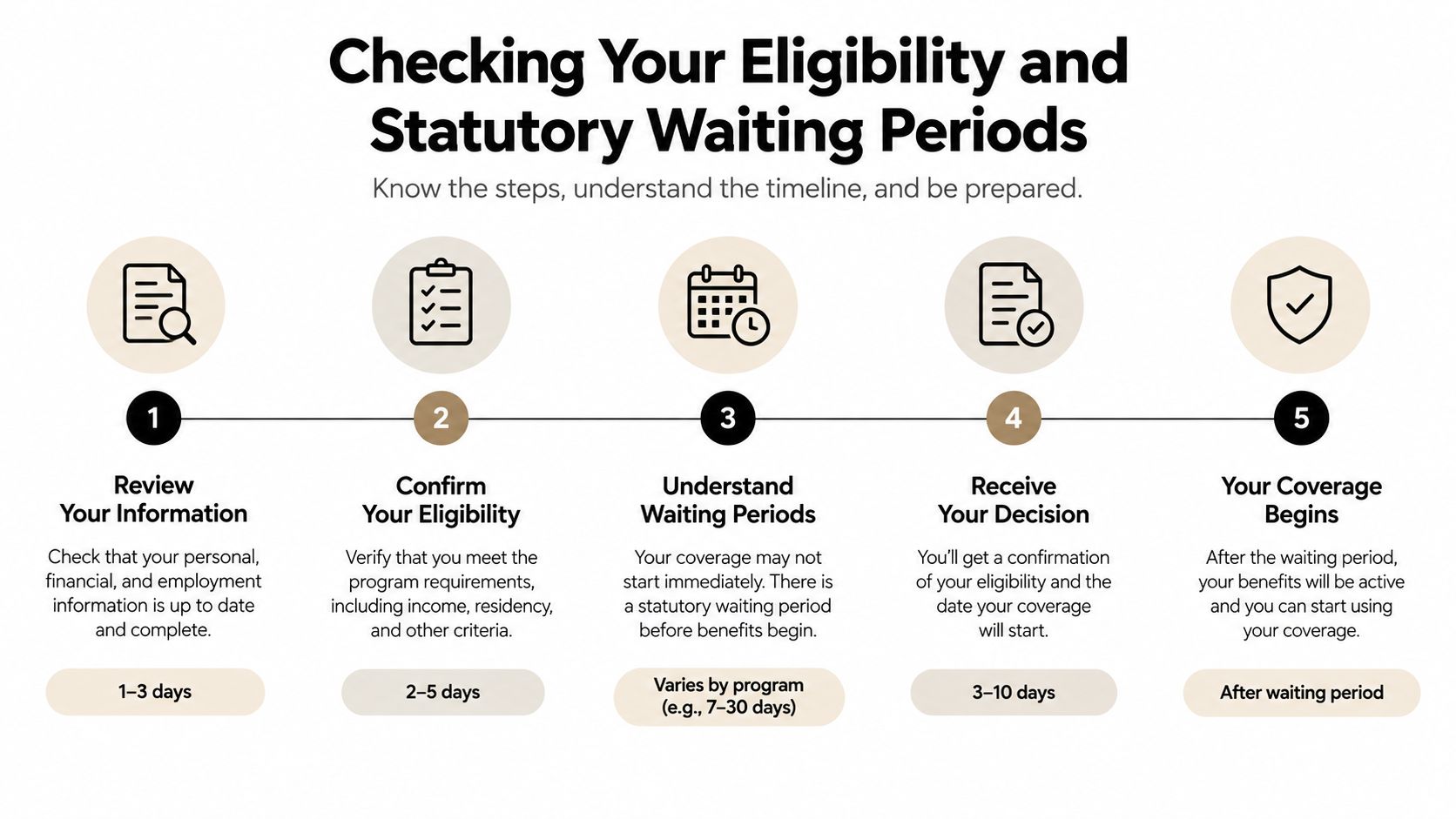
Checking Your Eligibility and Statutory Waiting Periods
Eligibility starts with the case file, not a background-check summary. A Montgomery County resident should identify the arresting agency, court, offense level, final disposition, supervision type, and any related charges before deciding that a petition is ready.
Texas Law Help identifies several waiting periods for cases that may qualify. An arrest that didn't lead to charges may become eligible after 180 days for a Class C misdemeanor, 1 year for a Class A or B misdemeanor, or 3 years for a felony. Certain misdemeanor deferred adjudications can require 2 years, while eligible felony deferred adjudications can require 5 years. These periods are not interchangeable, and the clock may depend on the statutory category and the way the case closed.
The offense exclusions matter
Waiting long enough doesn't cure a statutory exclusion. For nondisclosure, a court finding that the offense involved family violence can block eligibility. Texas Family Code Section 71.004 defines family violence for purposes of the family-law statutes, and Texas Law Help explains that a family-violence finding can prevent an order of nondisclosure.
Other exclusions can apply to offenses such as murder, trafficking, stalking, and injury to a child, elderly individual, or disabled individual. The exact nondisclosure category matters, so a person shouldn't rely on a broad internet statement that all deferred adjudications can eventually be sealed.
This issue can intersect with Protective Orders in The Woodlands because domestic-violence and family-safety records may contain findings or allegations that affect the eligibility analysis. A protective-order matter and a criminal case are different proceedings, but the underlying records should be reviewed together when family violence appears anywhere in the history.
Build an eligibility audit
Start with certified or otherwise reliable court and arrest information. Then compare the disposition to the remedy requirements and check whether the waiting period has fully run. Finally, look for related offenses from the same arrest, because one ineligible matter may affect the petition as a whole.
Texas residents should also remember that juvenile automatic sealing can operate differently from adult relief. If the record involves a juvenile case, determine whether the statutory automatic process applies before preparing an adult nondisclosure petition.
Filing Your Petition in Montgomery County Courts
The most common local mistake is filing in the wrong place. A petition generally belongs in the county where the case was handled, and nondisclosure is generally presented to the court that handled the criminal case. For a Montgomery County matter, that means identifying the actual court and docket rather than sending a generic request to a courthouse intake desk.
The filing process requires more than completing a universal form. Texas doesn't provide one fill-in-the-blank petition that fits every expunction or nondisclosure case. The pleading must match the disposition, statutory basis, agencies involved, and relief requested.
Assemble the record before drafting
Pull together the documents that show what happened. Depending on the case, that may include the arrest details, charging documents, judgment or deferred-adjudication order, dismissal, discharge paperwork, and supervision records. Texas Law Help notes that expunction petitions often require authenticated fingerprint records and arrest information.
A useful preparation sequence looks like this:
- Confirm the venue. Identify the Montgomery County court that handled the case, not merely the location where you now live.
- Verify the disposition. Determine whether the case ended in dismissal, acquittal, deferred adjudication, conviction, or community supervision.
- Select the remedy. Expunction and nondisclosure have different rules and different effects.
- Check exclusions and timing. Review waiting periods, offense categories, family-violence findings, and related cases.
- Prepare the agency list. Identify every department, prosecutor, records custodian, and other affected entity that must receive notice or the order.
Treat service as a legal task
A petition can be substantively correct and still face delay if the service list is incomplete. Agencies may include law-enforcement departments, prosecutors, courts, correctional records custodians, licensing bodies, and other entities connected to the arrest or record. The right list depends on the facts, so copying a list from another person's case is risky.
The filing also needs to request a hearing when required and provide the court with enough information to evaluate eligibility. A clerk can accept paperwork, but acceptance isn't a ruling that the petition is legally sufficient.
For background on how family cases proceed through Montgomery County courts serving The Woodlands, see Montgomery County Family Courts: A Local Guide. Record-sealing petitions follow their own statutory process, but local court familiarity still helps a filer understand where a matter belongs and which procedural details require attention.
Filing reality: The court needs a case-specific petition and a complete service plan. A generic form rarely addresses both.
Why Local Legal Representation Prevents Costly Denials
Hiring counsel isn't about making a simple form look complicated. It's about avoiding the procedural errors that cause otherwise eligible petitions to stall or fail. The biggest problems usually arise before the hearing, when someone selects the wrong remedy, files in the wrong court, omits a related case, or fails to identify an agency that must receive notice.
A lawyer familiar with Montgomery County can examine the disposition and work backward from the statutory requirements. That review should answer practical questions: Is this an expunction or nondisclosure matter? Which court handled the case? Has the applicable waiting period passed? Does a family-violence finding or excluded offense prevent relief? Which entities need service?
A local example
A Sterling Ridge resident prepared a nondisclosure petition without counsel. The person correctly identified the old deferred adjudication and believed the waiting period had passed. The petition still failed because the filing did not properly serve a state licensing board connected to the record.
That scenario illustrates the danger of DIY filing. The issue wasn't necessarily that the person lacked a potentially valid claim. The problem was the incomplete procedural record and service plan. In practice, the court cannot direct an absent agency to comply with an order it never received.
The question isn't only whether you qualify. It's whether the court has the correct petition, venue, notice, and agency list in front of it.
What counsel should handle
A qualified lawyer should review the original records rather than rely on your memory or a commercial background report. Counsel can then prepare the petition, identify the entities requiring service, coordinate the hearing process, and respond if an agency or prosecutor objects.
The The Woodlands criminal-law resource may help readers distinguish general criminal-law information from the separate post-case process involved in record relief. For this specific issue, ask any prospective lawyer how the office handles disposition verification, Montgomery County filing venue, agency service, and post-order follow-up.
The Law Office of Bryan Fagan serves families in The Woodlands and surrounding Montgomery County communities, with work concentrated primarily in family law and probate matters. If a record-sealing issue overlaps with a family-violence finding, protective-order history, or another family-court concern, explain that connection during the consultation so the lawyer can identify the correct scope of review.
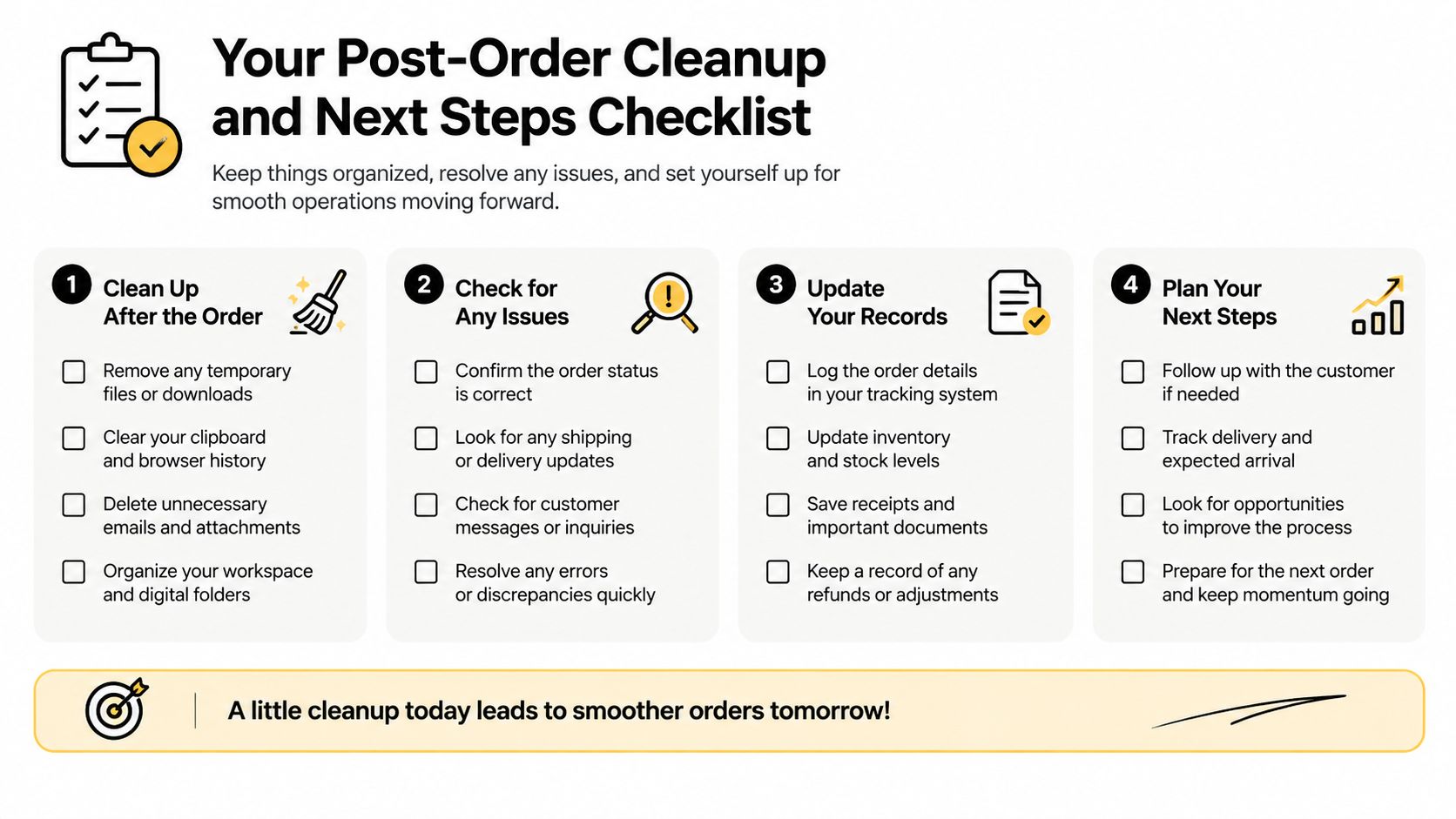
Your Post-Order Cleanup and Next Steps Checklist
A signed order is a major step, but it isn't the end of the process. Texas procedure gives the clerk 15 business days to send the relevant records and information to the Department of Public Safety. After that, affected individuals and entities generally have 30 business days to seal their records, according to the Texas record-relief procedure materials.
That schedule gives you a practical follow-up plan. Keep a file containing the signed order, filing information, hearing details, and proof of service. Then track whether the agencies and private background-check companies update their records.
What to do next
- Keep the signed order: Save the complete order and all filing documents in a secure location.
- Track DPS processing: Follow up after the clerk's transmission period and confirm that the Department of Public Safety has received the required information.
- Check public records: Review the relevant court and law-enforcement records after the compliance period.
- Dispute stale reports: If a private background-check company still reports sealed information, provide the company with the order and request correction through its dispute process.
- Answer carefully: Don't volunteer unnecessary details about a sealed matter. If an application asks a legally specific question, obtain advice before answering.
- Address connected records: If the same history affects licensing, family litigation, or another proceeding, tell your lawyer about the order. A Montgomery County name-change lawyer handles a different legal process, but related identity and record concerns should still be raised during an intake review.
Sealing also doesn't mean every authorized government entity loses access. Texas Department of Public Safety guidance explains that an order of nondisclosure blocks public disclosure of qualifying criminal-history information while law enforcement and certain agencies may continue to access it. That distinction matters if you apply for a regulated license or another position requiring specialized disclosures.
This article is general information, not legal advice. A court's eligibility decision depends on the specific record, statutory category, and procedural history.
The Law Office of Bryan Fagan can review your Montgomery County case history, explain whether expunction or nondisclosure may fit, and identify the filing and follow-up issues that affect The Woodlands residents. Visit The Law Office of Bryan Fagan to schedule a consultation about your record-relief options.
